Fishhead was of a piece with this setting. He fitted into it as an acorn fits its cup.
—Irvin S. Cobb, “Fishhead” (1913)She remembered college well. It was so different to junior high, when the kids used to push her, gathered round in a circle so that she couldn’t escape. Fishhead! Fishhead! they’d cry.
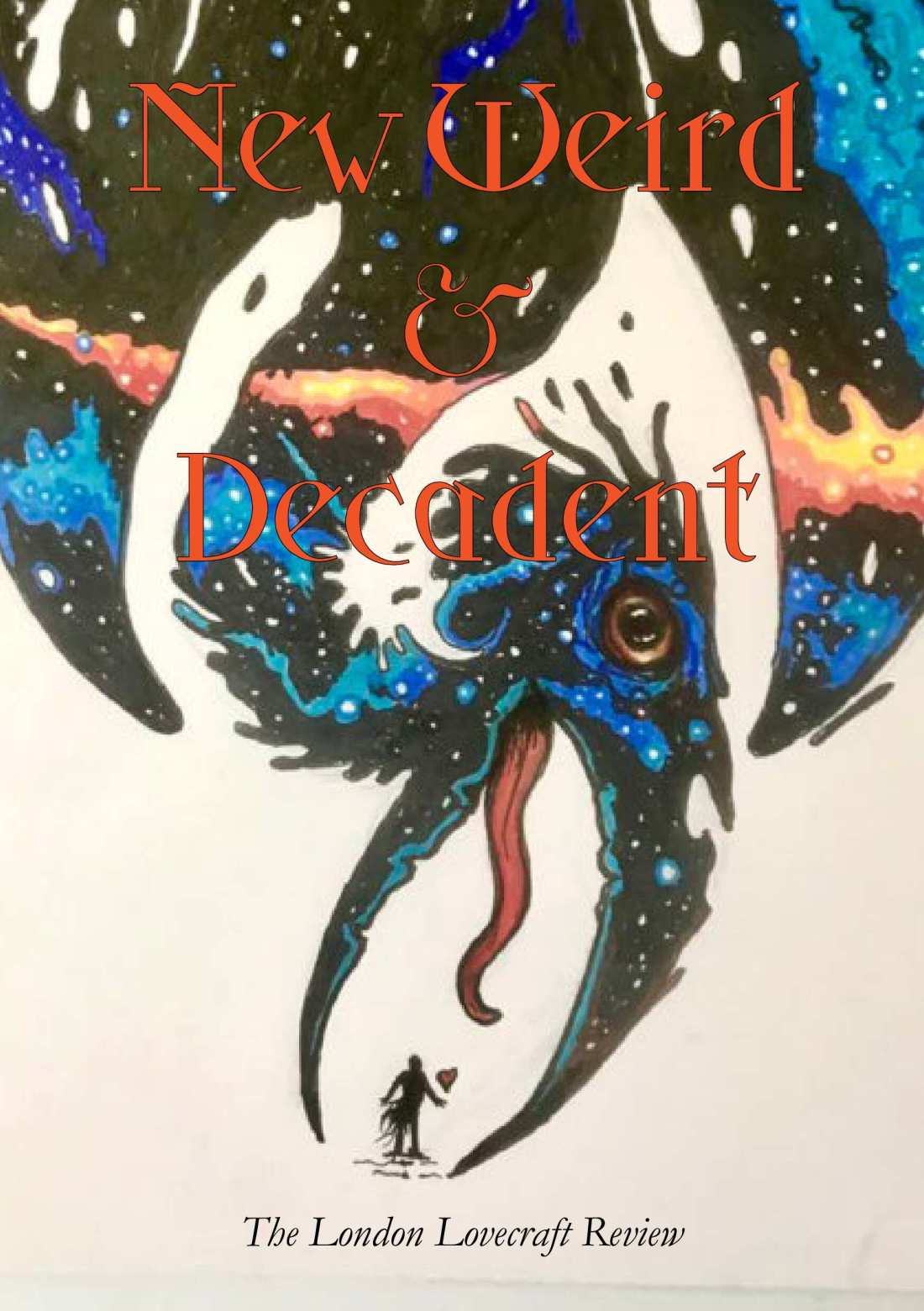
—Lavie Tidhar, “In Their Own Voices” in New Weird & Decadent (2025) 29
The 21st-century story of “The Shadow over Innsmouth” is the diaspora. It is a very post-colonialist idea; the concept of identity and ethnicity, which has been forcibly divorced from geography. The people of Innsmouth were forced from their homes by government violence, military force. Arrested, imprisoned, murdered.
Yet they survived.
“The Doom That Came to Innsmouth” (1999) by Brian McNaughton & “The Litany of Earth” (2014) by Ruthanna Emrys, “Legacy of Salt” (2016) by Silvia Moreno-Garcia, “All Our Salt-Bottled Hearts” (2016) by Sonya Taaffe, and Winter Tide (2017) by Ruthanna Emrys are some of the stories that deal with the way the survivors of the government raid on Innsmouth scattered, and how their descendants connected, formed their own groups, attempted to preserve and reclaim their legacy.
Glad your collaborator found my Massachusetts atmosphere convincing.
The plot I am now experimenting on concerns another fictitious Mass.
town—“Innsmouth”—which is vaguely suggested by the ancient & almost
dead city of Newburyport. Of course, there is no sinister, un-human shadow
over poor old Newburyport—but then, there never was a festival of worms
at Marblehead (Kingsport)!
—H. P. Lovecraft to August Derleth, 14 Nov 1931, Essential Solitude 1.411
One of the biggest parts of the diaspora mythology is the return to Innsmouth itself. The town that Lovecraft described takes its real-life inspiration from his visit to Newburyport, Massachusetts, and while its literary antecedents include Irvin S. Cobb’s “Fishhead,” Herbert S. Gorman’s “The Place Called Dagon,” and Robert W. Chambers’ “The Harbor-Master.” This is not portrayed as irredentism, however; the return is not a military re-conquest, violence meeting violence, but a peaceful reoccupation. Innsmouth is portrayed as ground of little to no value aside from those who are bound there by ties of ancestry and memory.
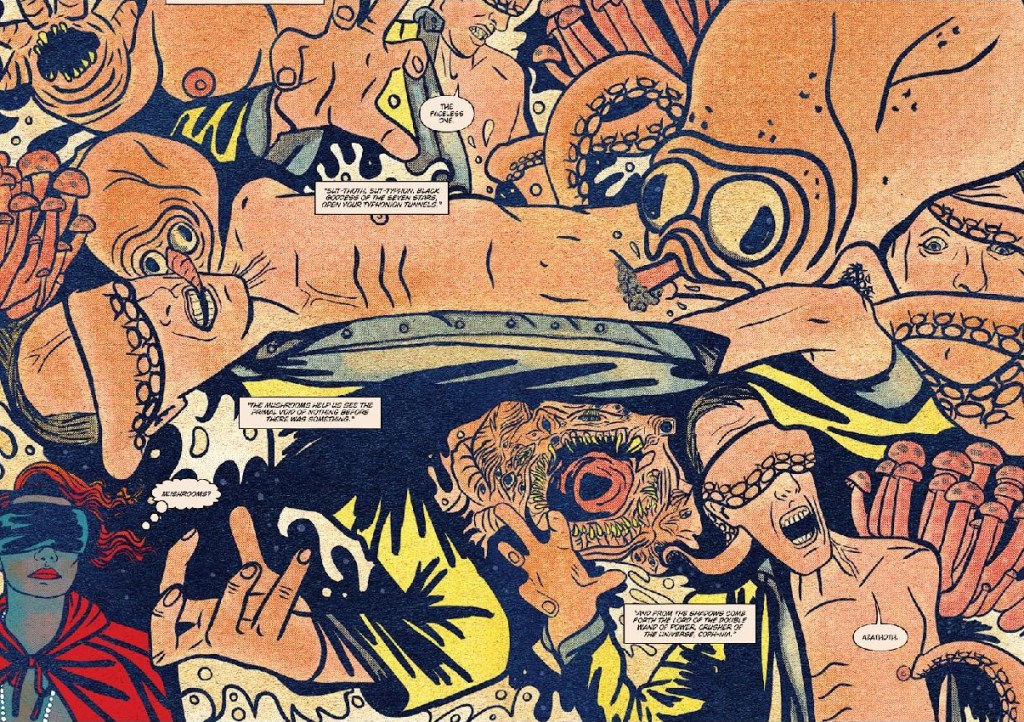
Lavie Tidhar’s “In Their Own Voices” is about such a return. It is not a horror story, though horror is part of its history and heritage. This is about the healing that comes after the horror, about reunion, self-acceptance, and finding your tribe. Tidhar has done well to ground the story in the genuine Massachusetts geography, much as Lovecraft himself did.
Silvia linked hands with her sisters; and when she smiled she tasted salt on her tongue, and it took her a moment to realize she had been crying.
—Lavie Tidhar, “In Their Own Voices” in New Weird & Decadent (2025) 29
Readers could easily imagine the Silvia of “In Their Own Voices” and Aphra of Ruthanna Emrys’ “The Litany of Earth” meeting together, stranger cousins at a family reunion—and that’s part of the game. Writers like Tidhar are surfing the same wave that August Derleth, Silvia Moreno-Garcia, Sonya Taaffe, and so many others have ridden, but they are all on their own journey, and the emphasis is different for each writer. The legacy of Innsmouth is both horror and acceptance, monsters and orphans. That speaks across generations.
“In Their Own Voices” by Lavie Tidhar was published in New Weird & Decadent (2025), also available on Amazon.
Bobby Derie is the author of Weird Talers: Essays on Robert E. Howard and Others and Sex and the Cthulhu Mythos.
Deep Cuts in a Lovecraftian Vein uses Amazon Associate links. As an Amazon Associate I earn from qualifying purchases.
 Deep Cuts in a Lovecraftian Vein